From California to Alaska, Coastal Communities are
Pleading
Rising
Uniting
Demanding
Why Aren’t Our Salmon Coming Home?
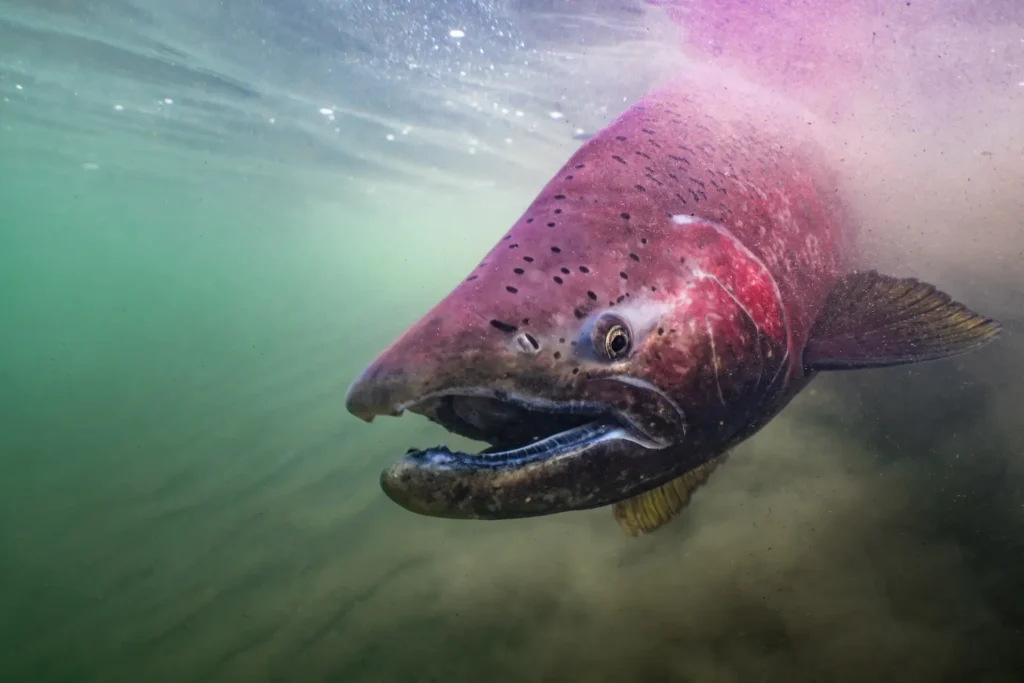
Too many of our salmon are killed far from home in ocean fisheries—and too few fish return from the ocean nursery to spawn and give rise to a new generation for recovery.
From California to Alaska, the public’s massive investment in dam removal, habitat restoration, and recovery is being undermined. Salmon populations are declining toward extinction, orca whales are starving, and communities that depend on salmon are struggling to cope.
Now is the time to rise up together in a powerful coastwide movement to call on fisheries managers to curtail unsustainable ocean fishing and Let Our Salmon Come Home to the local watersheds, communities, and ecosystems that depend on them.
Join the Movement today to restore local control over the stewardship and recovery of our salmon populations and river-based fisheries.
The coastwide decline of Pacific salmon has been driven by a century of unsustainable fisheries management that abandoned historical Indigenous practices of river-based fishing and local community stewardship.
For thousands of years, Indigenous peoples along the Pacific Coast harvested salmon sustainably by waiting for wild fish to return to their home rivers and estuaries each year.
By fishing in or near salmon rivers, historical Indigenous fisheries were selective, in that the salmon harvested were from a specific watershed. Local communities then had agency in the management of their salmon fisheries and could ensure that enough fish spawned to maintain healthy salmon populations.
With the arrival of Europeans and the rise of canneries and the internal combustion engine, salmon fishing became increasingly industrialized. Fleets steadily pushed further into marine waters to intercept one another’s catch, chasing salmon year-round in the ocean nursery where they migrate to rear and grow.
These historical events entrenched a system of unmanageable fisheries in which salmon from thousands of watersheds across the Pacific Coast were intercepted indiscriminately in the ocean.
Ultimately, this system of ocean fisheries management made it impossible to protect salmon from any specific watershed, driving at-risk populations toward extinction.
The Ocean Fishing Dilemma
Due to ecological principles, ocean-based salmon fisheries cannot be managed sustainably to allow for the recovery of threatened salmon populations.
After salmon hatch in their home rivers spanning California to Alaska, the vast majority migrate to the North Pacific—the ocean nursery—to forage and grow.
Salmon from various rivers swim side-by-side in the ocean nursery. Some populations remain abundant; others are threatened with extinction.
When our policy makers authorize industrial-scale fisheries in the ocean, fishers with the best conservation ethic have no means of harvesting abundant populations selectively without harming threatened salmon that commingle.
Inevitably, too many of our salmon are killed in ocean fisheries—and too few fish return home from the ocean nursery to spawn and give rise to a new generation for recovery.
Ocean Fishing Is Harming Coastal Communities, Orca Whales, and Ecosystems
As policymakers authorize the overharvest of our salmon in the ocean, the public’s investment in dam removal, habitat protection, and restoration is repeatedly undermined when too few fish return home.
While compromising the recovery of our salmon, these fisheries managers are threatening the future of orca whales, aquatic and terrestrial ecosystems, and coastal communities that depend on salmon culturally, spiritually, and economically.
The Ocean Fishing Dilemma
Undermining Public Investment in Salmon Recovery
As communities and governments invest billions to remove dams and protect and restore habitat, individual salmon populations are blinking out of existence in ocean fisheries, compromising the abundance, diversity, and recovery of Pacific salmon.
Despite decades of painstaking work by Tribes, First Nations, NGOs, local communities, and the general public to stem the decline of salmon through these restoration efforts, our endangered fish are being killed in the ocean before they can return home to protected and restored spawning grounds. Ocean fisheries are further harming the diversity, age-structure, body size, and reproductive success of the salmon populations that remain, affecting their resilience to climate change.
Ultimately, salmon recovery and the benefits of habitat protection and restoration will continue to be undermined coastwide until fisheries managers reform ocean fisheries and Let Our Salmon Come Home.
The Ocean Fishing Dilemma
Starving Orca Whales and Ecosystems
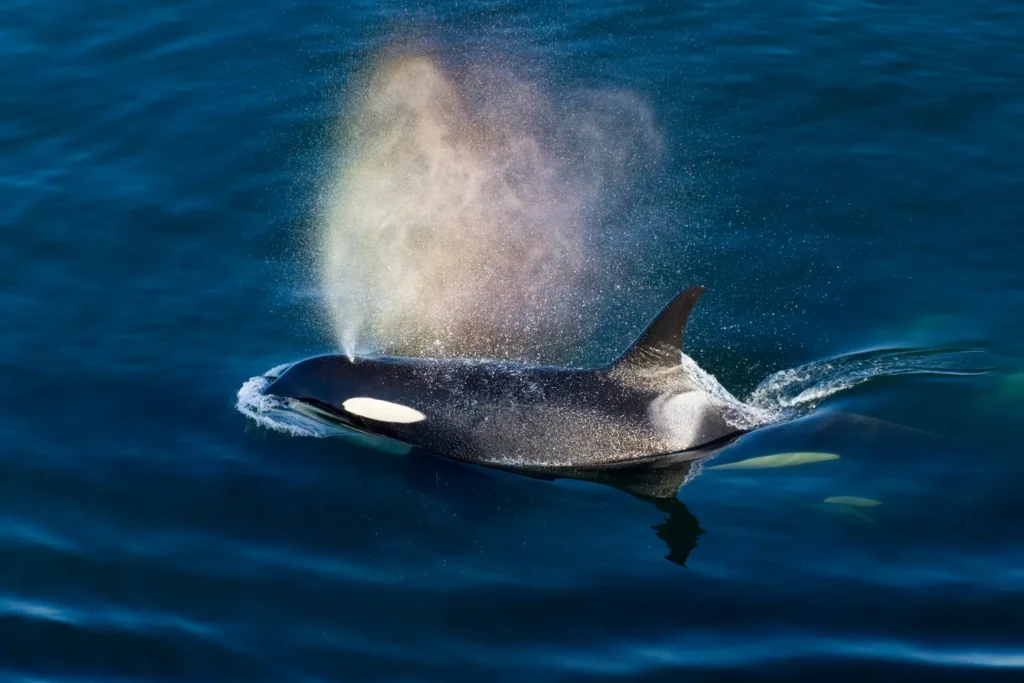
Ocean-based salmon fisheries are starving endangered Southern Resident Killer Whales by reducing the quality, abundance, and accessibility of their prey.
If we Let Our Salmon Come Home by reforming fisheries in the North Pacific, science shows that we could immediately increase the endangered orca whales’ primary food resource, Chinook salmon, by 25%—enough to stabilize the population and provide an avenue to recovery.
Given these findings, no solution is as significant as reforming ocean-based salmon fisheries for orca whale recovery. No other alternative can immediately provide the starving whales with the prey they need at this critical moment of survival or extinction.
The Ocean Fishing Dilemma
Threatening Food and Economic Security
Today’s management of ocean fisheries deprives our local watersheds, communities, and river-based fisheries of the resources we depend upon culturally, spiritually, and economically.
While policymakers authorize the overharvest of our salmon in the ocean, river-based communities and economies that have relied upon the return of salmon for generations to millennia are left with little to nothing.
In particular, Indigenous peoples that often fish in or near salmon rivers are predominantly and disproportionately harmed by the interception of salmon in distant marine waters. If we work to stop the devastation in the ocean and Let Our Salmon Come Home, river-based communities will regain access and management over resources that sustain their cultures, economies, and livelihoods.
Hope and a Sustainable Path Forward
More than ever before, people across the coast are recognizing the severe ecological, cultural, and economic harms of ocean-based salmon fishing. From California to Alaska, communities are rising up to demand change.
As policymakers renegotiate a critical international salmon fishing treaty prior to 2028, we have a rare opportunity to reform ocean fishing and provide a sustainable path forward for salmon, orcas, ecosystems, and our coastal communities.
Now is the time to come together. Only through a united, international coastwide movement—the first of its kind—will we have the power to drive forward the bold actions needed to transition industrial-scale salmon fishing out of the ocean, support affected communities, restore sustainable river-based fisheries, reinstate local stewardship, and Let Our Salmon Come Home.
Join the Movement
We are calling on all individuals, organizations, and businesses affected by ocean-based fisheries to Join the Movement to provide a sustainable future for our salmon, coastal communities, and the ecosystems on which current and future generations depend.